Less water in summer, more in winter
/Climate Change and Groundwater
Climate change is altering temperature and precipitation patterns, affecting both the recharge and qualityof groundwater. Ensuring the sustainable use of this vital resource requires precise monitoring and reliable forecasting.
Rising temperatures lead to more precipitation in winter and less in summer. Consequently, groundwater recharge increases during winter and decreases in the summer months. Measurements and models confirm this trend, while also revealing strong regional variability. Cascading effects – such as increased irrigation during droughts – can further lower groundwater levels.
Beyond quantity, water quality is also at risk. After dry periods, pollutants can accumulate in the soil and be rapidly transported into groundwater during heavy rainfall events.
Forecasts for Water Management
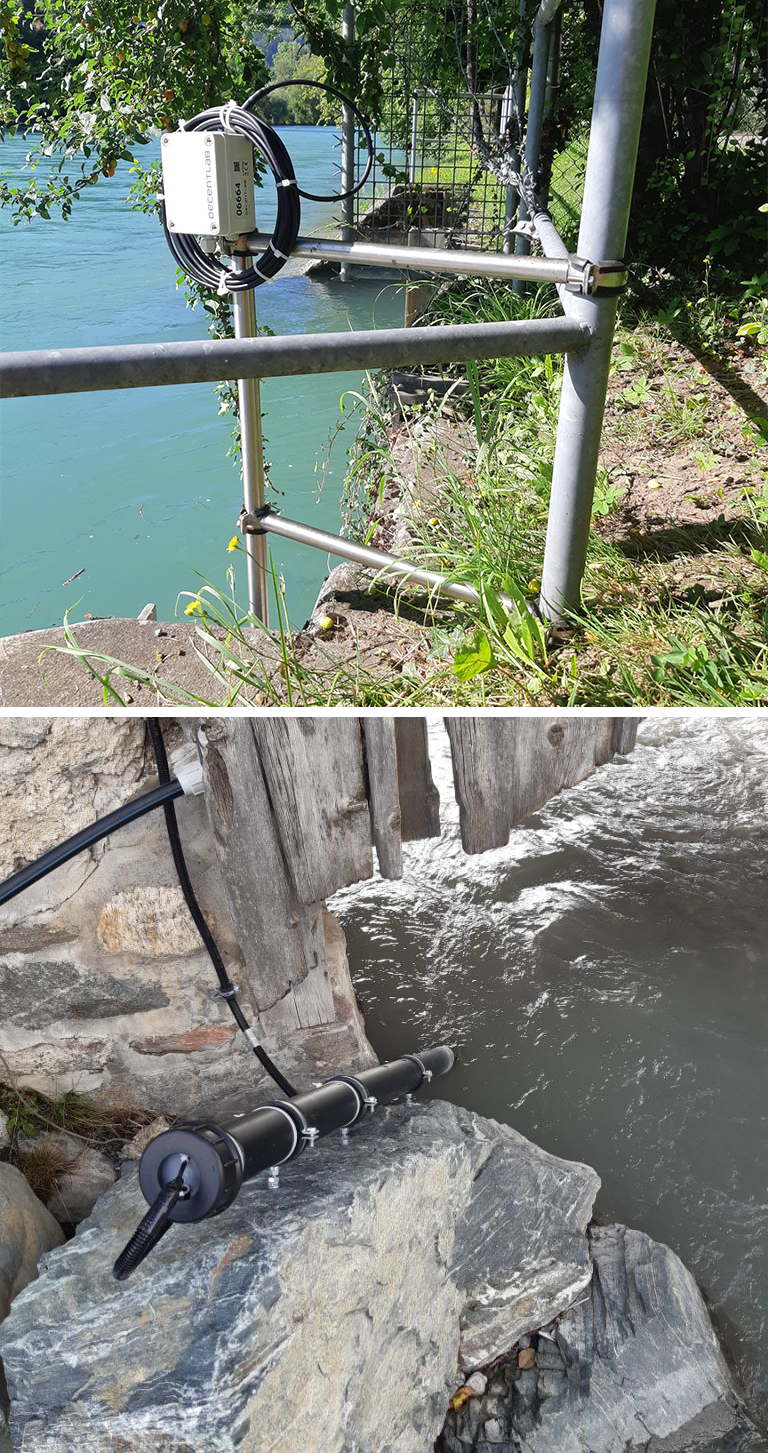
Researchers are developing models that use temperature, precipitation, and groundwater data – collected by sensors such as those from Decentlab – to forecast groundwater dynamics over weeks to years. Short-term predictions help water suppliers respond to floods or droughts, while long-term scenarios guide investment and storage strategies.
Measures such as retention basins, slow-water projects, and managed aquifer recharge aim to store excess winter water for use during dry summer months. Because local conditions vary widely, sustainable groundwater management depends on a combination of continuous monitoring, data-driven modeling, and adaptive measures.
Read full article
Devices for groundwater monitoring:
DL-PR26,DL-PR36,DL-PR36CTD, DL-CTD10B